2027 Flight-Line Spectator Handbook

Flight lines and trade salons across Europe in 2027

European aviation events split into distinct operational formats: biennial commercial salons like Paris-Le Bourget on odd-numbered years, active military air base open days such as RIAT Fairford, and heritage or coastal flypasts across historic grass strips and seafronts. Knowing how each format runs before buying rail tickets or packing a telephoto lens prevents wasted hours behind chalet walls or against a blinding midday sun.

01
Biennial Commercial Exhibitions

01 Trade Salons: Le Bourget and Biennial Cycles

Major European aerospace trade exhibitions follow strict two-year rotations so manufacturers are not forced to ship flight-test prototypes across the continent twice in twelve months. Odd-numbered years belong to the International Paris Air Show at Paris-Le Bourget, putting 2027 squarely in the Paris cycle while Farnborough in Hampshire and ILA Berlin rest until the even-year rotation in 2028.

Spectators often mistake a trade salon for an ordinary public airshow. From Monday through Thursday, admission is restricted to credentialed industry buyers, engineers, and defense delegations, while the afternoon flying window runs shorter and quieter than a military tattoo. General public days open only from Friday through Sunday, when corporate hospitality chalets still line a large portion of the active runway apron.


Read Dossier 01: European Trade Salons
02
Active Airfield Gate Operations

02 Military Displays: RIAT Fairford and Base Open Days

Active defense airfields host an altogether different spectator day. At RAF Fairford in Gloucestershire during the Royal International Air Tattoo, or at continental NATO base open days such as Kleine-Brogel in Belgium and rotating Royal Netherlands Air Force bases, visitors stand behind security perimeters set hundreds of meters back from an operating military runway.

Long static parks stretching over two kilometers mean comfortable footwear matters as much as focal length. Gate security screening enforces bag volume limits and checks for prohibited metal tripods or ladders, while continuous fast-jet departures require certified passive hearing protection for both adults and younger spectators.

Read Dossier 02: Military Base Open Days
03
Grass Strips & Shoreline Displays

03 Coastal & Vintage: Duxford Warbirds and Seafronts

Historic airfields like Imperial War Museum Duxford and Old Warden in Bedfordshire replace concrete blast pens with compacted turf runways and 1930s hangars. Piston-engine taildraggers operate under tight crosswind and wet-grass limits, making morning inspections of the flight line far more reliable than late-evening schedules when wind gusts pick up.

Along the coast at Eastbourne, Bournemouth, and Adriatic venues such as Jesolo, display lines run parallel to public beaches rather than behind fenced bases. There are no gate turnstiles, yet marine mist and shifting low cloud bases often cap vertical aerobatic maneuvers into flat passes over open water.

Read Dossier 03: Vintage & Coastal Flypasts
04
Field Orientation & Protection

04 Spotter Prep: Sun Angle, Ear Defenders and Focal Lengths

Every European airfield deals with a predictable solar arc. Because most display lines in Western Europe orient roughly east-to-west, spectators standing on the south side of a runway face directly into strong midday backlight from late morning until mid-afternoon. Checking the runway magnetic heading against the season's sun azimuth dictates whether morning static walks or late-afternoon passes yield clean aircraft markings.

Practical flight-line preparation comes down to three habits: carrying EN 352 rated ear defenders for sustained jet noise, matching shutter speeds between 1/160s for spinning propellers and 1/1600s for maneuvering jets, and confirming park-and-ride rail schedules before gate closing hours.

Read Dossier 04: Spotter Sightline Kit
05

05 Dossier Index: Four Flight-Line Guides

Select a handbook chapter below for airfield comparison data, transit planning notes, and spectator preparation checklists.

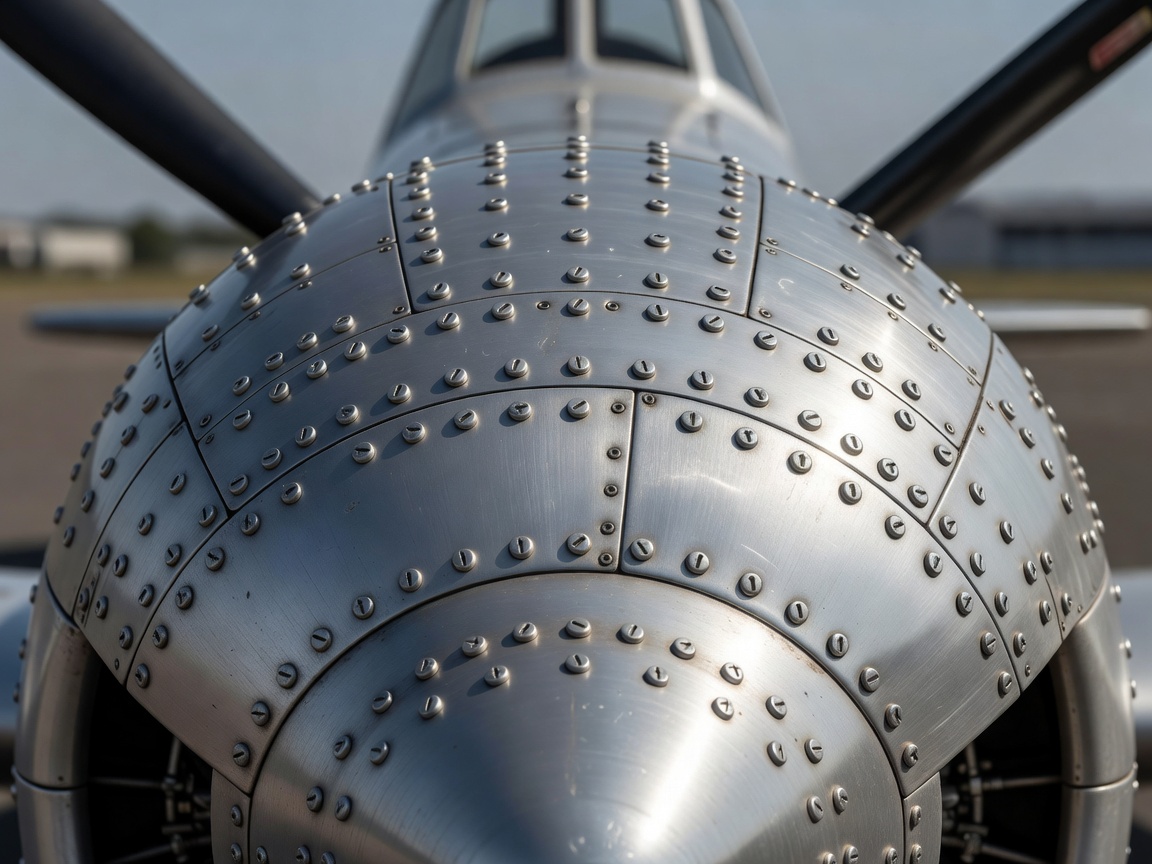
Close-up of riveted metal supersonic aircraft intake seams in warm sunlight Dossier 01

European Trade Salons

How odd-year Paris-Le Bourget schedules differ from Farnborough and ILA Berlin, plus public weekend sightline limits.

Open Dossier 01
Empty weathered concrete runway tarmac markings under dry afternoon light Dossier 02

Military Base Open Days

Navigating RAF Fairford and continental NATO airfields, static park distances, security queues, and perimeter fencing.

Open Dossier 02
Brushed aluminum radial engine cowling fasteners on a vintage propeller aircraft Dossier 03

Vintage & Coastal Flypasts

Duxford grass-strip operations, taildragger wind limits, and sea-breeze weather patterns at European coastal shows.

Open Dossier 03
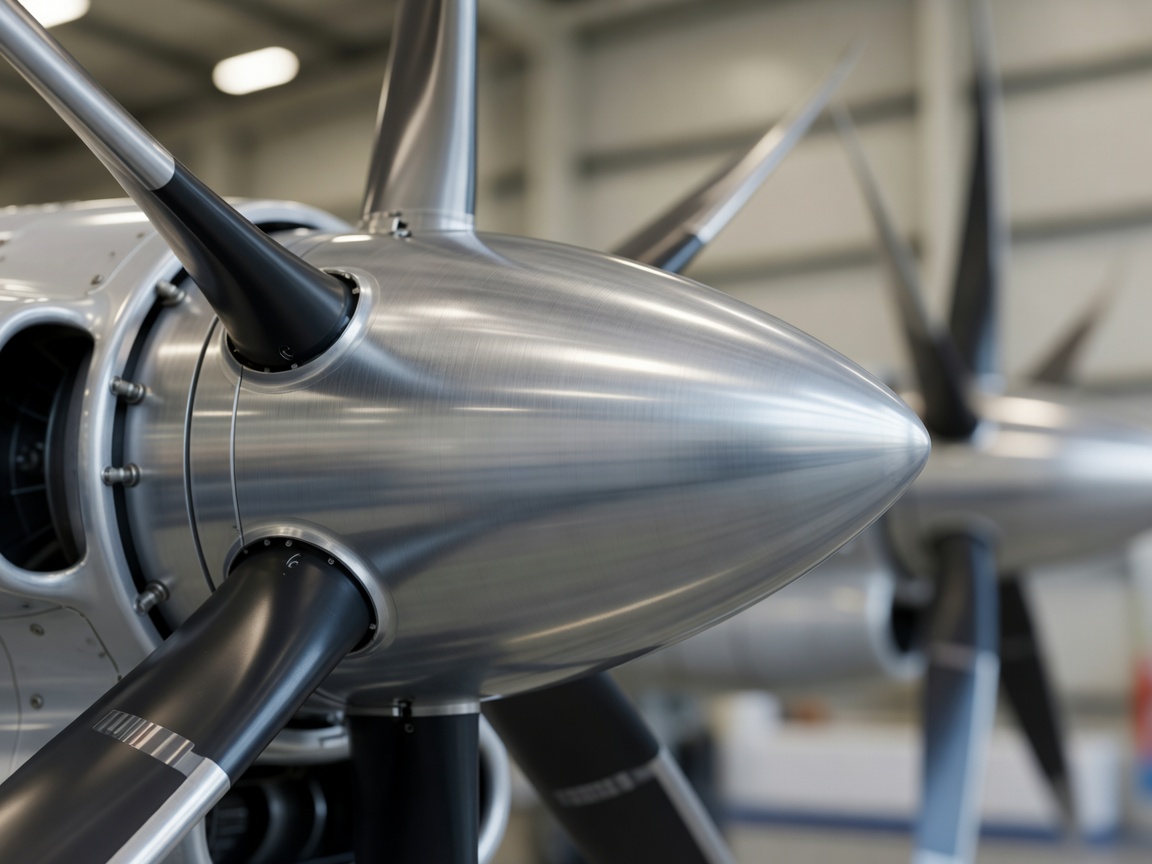
Shallow focus view of a polished metal propeller spinner and blade root Dossier 04

Spotter Sightline Kit

Solar azimuth orientation, EN 352 hearing protection standards, shutter speed targets, and sensible telephoto lenses.

Open Dossier 04