01
Solar Geometry

Reading Runway Headings and Midday Backlight

Understanding sun direction separates clear aircraft silhouettes from washed-out shadows. Across northern and western Europe during summer, the sun arcs through the southern sky from east in the morning to west-northwest before sunset. Whenever an airfield's main spectator enclosure sits on the southern side of an east-west runway (such as RAF Fairford's main public crowd line facing north across Runway 09/27), spectators look directly toward the midday sun for several hours.

At south-facing venues like Duxford or Le Bourget's public terraces, the sun sits mostly behind spectators during mid-afternoon, lighting aircraft fuselages evenly while rendering sky tones richer. Conversely, at north-facing crowd lines, morning hours favor aircraft approaching from the east, while late-afternoon slots after 16:00 local time shift the sun well west, illuminating low banking turns from the left flank without blinding glare.

Coastal airfields introduce an extra angle: eastern English seafronts look eastward over the North Sea, putting the sun cleanly behind your back throughout the afternoon flying window, whereas south-facing beaches like Eastbourne or Bournemouth look straight into afternoon sun until late evening.
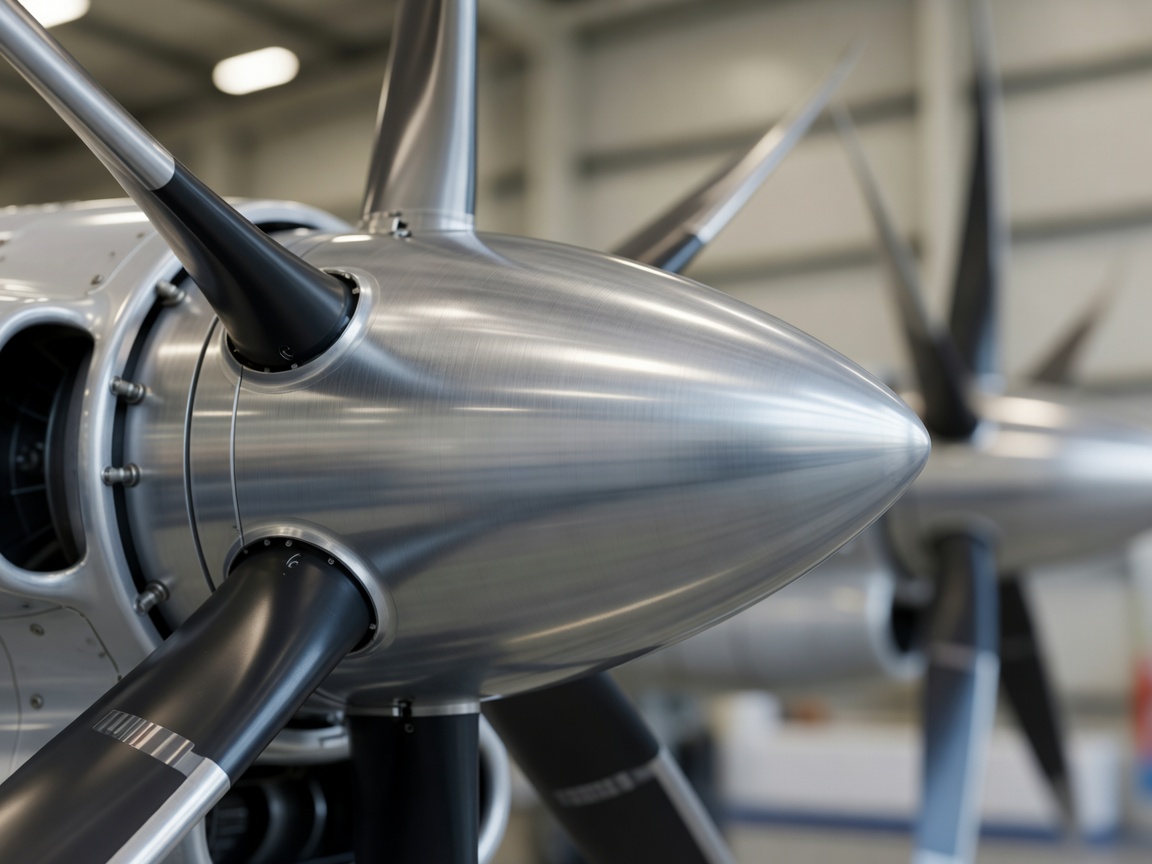
Close-up of a metal propeller hub and blade root against dark hangar shadows
Direct side lighting reveals brushed metal rivet lines without blowing out sky highlights.
02
Acoustic Safety

Hearing Protection Standards for Jets and Families

Afterburning military turbofans generate intense low-frequency acoustic pressure well above 110 decibels even hundreds of meters behind the crowd barrier. Brief high-speed passes or sustained ground run-ups before takeoff can cause lasting hearing fatigue or tinnitus, particularly for children whose ear canals amplify mid-to-high frequencies.

In Europe, look for ear defenders or foam earplugs certified to the EN 352 standard with a clear Single Number Rating (SNR) printed on the packaging. Over-ear passive muffs rated around 26 dB to 32 dB SNR protect young spectators reliably because they require no delicate ear-canal insertion and visibly stay in place when kids move around. Adult photographers who dislike bulky earcups bumping against camera viewfinders often prefer properly rolled foam plugs paired with a brimmed sun hat.

Remember that piston warbirds sound gentler than supersonic fighters yet still reach loud peak levels during multi-ship formation flypasts directly overhead. Keep ear defenders accessible in an outer pocket rather than buried beneath lunch boxes so everyone can put them on before fast-jet slots begin.

03
Optics & Settings

Focal Lengths and Shutter Speeds by Aircraft Type

Choosing lenses for an airshow involves balancing reach against gate portability. Because crowd lines at active airfields stand well back from display axes, standard 24-70mm travel zooms capture wide formation smoke trails well yet leave single-seat fighters looking distant. A stabilized 100-400mm zoom covers most European venues comfortably without breaking base bag limits, while 150-600mm telephoto optics help at wide military runways or distant over-water seafront lines.

Shutter speed depends entirely on propulsion type. Freezing a fast-moving fighter in a steep turn demands fast shutter speeds (typically 1/1600s to 1/2500s) to keep markings crisp. Applying that same 1/2000s speed to a Spitfire, radial transport, or helicopter freezes the propeller blades completely, making an airborne plane look strangely stalled in midair. Dialing down to slower panning speeds lets propellers blur into natural circular arcs while keeping the fuselage sharp.

Aircraft Category Recommended Shutter Range Visual Goal
Fast Jets / Aerobatic Teams 1/1600s to 1/2500s Freeze high-speed rolls, wingtip condensation, and cockpit detail
Piston Warbirds (Cruising) 1/250s to 1/320s Preserve visible propeller arc while panning smoothly
Turboprops & Helicopters 1/125s to 1/200s Full circular rotor/prop blur without fuselage motion shake
Static Park Walk 1/250s+, 24-70mm wide zoom Clean depth of field along nose cones, intake covers, and hangars
04
Day-Pack Checklist

Compact Gear List for Long Tarmac Days

Airfields offer sparse shade. An eight-hour display day across open concrete heats up rapidly under clear skies, while sudden squalls sweep unhindered across flat runways. Keep a single soft-sided daypack light enough to carry cleanly through security gates and two-kilometer static walks:

  • EN 352 ear defenders or foam plugs: Dedicated protection sized correctly for every adult and child in your group.
  • Refillable water bottle and electrolyte sachets: Confirm whether venues require empty bottles at security screening before filling at airfield taps.
  • Broad-brimmed hat and high-SPF sunscreen: Baseball caps leave ears and neck exposed during upward sky viewing.
  • Compact folding stool or ground mat: Verify base rules first, as tall camping chairs or step ladders are prohibited in many front-line enclosures.
  • Microfiber lens cloths and rain sleeve: Fine runway dust and sudden coastal drizzle coat front glass quickly.
  • Printed offline transit timetable and ticket QR copy: High spectator density around rural airfields frequently overwhelms cellular data towers during afternoon egress.

For direct answers to common ticket, weather, and arrival-day questions, visit the Aviation Spectator FAQ.